VFD電源フィルターの選び方と取り付け方:選定、取り付け、メンテナンスガイド
VFD 電源フィルターを選んで設置する方法: 選択,設置,保守ガイド
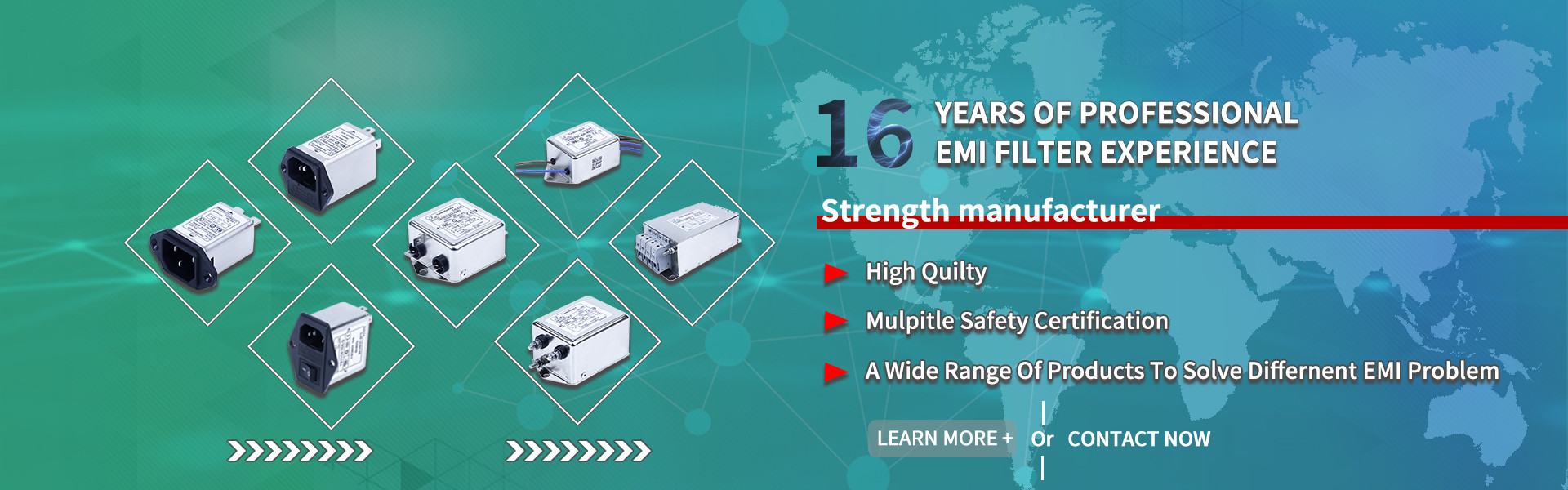
ヤンビキシン技術 電力供給フィルター
VFDフィルター選択 EMIフィルターの設置 インバーターフィルターのサイズ設定
適正な電源フィルターを選択することは,半分に過ぎません.フィルターは,インバーターの電源,電圧,作業環境と一致し,正しくインストールする必要があります.このガイドは3つのことをカバーします:パワー評価で正しいモデルを選ぶ方法重要な仕様に合わせて,フィルタを設置し,維持する方法 VFDの干渉が実際の生産環境で抑制されるようにします.
これは2つのシリーズで2つ目の部分です.第1部 VFDインバーターの干渉は説明されています.原因,リスクと専用EMIフィルターの解決方法 変圧器がなぜノイズを生成し,専用フィルターがどのようにそれを解決するかを説明します.
一見 の 中 で 学ぶ 重要な 点
モデルをインバーター電源に合わせる:ガイド型 (≥11 kW),リード型 (0.75~7.5 kW),統合型 (0.2~2.2 kW).
サイズ決定の原則: フィルター名電流 = インバータ名電流 × 1.5 〜 2.0.
● 単相変圧器では220V,3相変圧器では380V (三相,四線,三線) を合わせます.
■環境が決定する: IP54以上は,塵や油が多い場所.高温モデル (−40°C~125°C) は,暑い環境です.
• 4つの設置規則:信頼性のある接地 (≤4 Ω),距離を短く (≤0.5 m),過負荷をしないこと,スケジュール通りに維持する.
インバーター電力の評価によってフィルターモデルを選択する
専用インバーターフィルターは,それぞれ特定のVFD電源範囲のために構築された3つの主なタイプがあります.
フィルターモデル
互換性
構造
申請
典型的なパラメータ
ガイド型高出力フィルター
3相 VFD ≥ 11 kW
35mm DINレール装着;内蔵された散熱装置を備えたアルミ合金ホース
生産ラインのVFD,高性能モーター駆動システム
定数電流30~100A,交流 380V/480V,IP20
鉛型中高性能フィルター
VFD,0.75×7.5 kW
0.5~1.5mの耐火ケーブル;柔軟な設置,レール不要
機械用 VFD,商業用 HVAC VFD
定数電流515A,交流 220V/380V,IP00
コンパクトフィルター
低功率 VFD 0.2~2.2 kW
コンパクトサイズ;直ぐインバーターの回路板や端板に収まる
小型の速度制御装置,ポータブル VFD
定数電流 1 8A AC 220V / DC 48V
表 1. VFD 定位電源によるフィルターモデル選択
フィルタをキー互換性要件にマッチする
1. インバーター電源と電流によって選択
この単純な式を使えば フィルターの電流量 = インバーターの電流量 × 1.5 〜 20限界は,起動の電波を吸収し,コイルを過熱させない.
実用的な例は2つ.5.5kWの三相駆動器 (電流11A) は1520Aのレールマウントフィルターが必要である.0.75kWの単相駆動器 (電流3.5A) は5Aの鉛型フィルターが必要である.
2. ストレージと干渉強度によって選択
電圧はインバーターと一致しなければならない.単相インバーターは220Vモデルを採用する.三相インバーターは380V3相4線または3線モデルを採用する.正確に電圧をマッチすると,コンデンサが燃え尽きるのを防ぐ.
強い干渉のために,10 MHz帯の2段階フィルタリングモデルを選択します.挿入損失 ≥ 65 dBでは,はるかに強力なノイズ抑制を提供します.
3. 設置環境による保護評価と温度抵抗を選択する
灰塵や油っぽい環境: IP54 以上の密閉式レールマウントフィルター (塵や水への保護のための標準評価) を選択する.密封されたハウジングは,汚れと油が性能を傷つけるのを防ぎます.
熱い環境:−40°Cから125°Cまでの高温モデルを選択します.そのセラミックコアコンデンサターは熱の下で故障に抵抗します.
設置と使用に関するガイドライン
1固定 は 信頼 できる もの で ある べき です
一般モードのノイズは地面に放出されますが,地面経路が固い場合に限ります.フィルターの地面端に,相線と同じ厚さの接地線を使用します: 16 A 下では少なくとも 2.5 mm216~35Aから少なくとも4mm2. 接地線を装置の安全接地端末 (保護接地とも呼ばれます) に接続します.接地抵抗を ≤ 4 Ω に維持します.接地経路が弱い場合は,普通モード抑制は単に失敗します.
2設置距離は,あまりにも遠くではない必要があります.
フィルタをインバーターに近い場所に配置する.フィルターとインバーターの入力端間の推奨距離は≤0.5mである.それ以上は,接続ケーブル自体はノイズを拾い上げ,さらに拡散することができます距離が1mを超えると,出力端にシールド付き,曲がったペアケーブル (シールド内側に曲がった2本のケーブル) を使用し,シールドをその全端 (360°接続) の周りに接地します.
3過負荷状態では決して動作しない.
低電流フィルタと高電源VFDは決して組み合わせてはならない.電流過負荷でコイルが燃え尽き,フィルタが煙を吸い,ドライブ自体が故障する可能性がある.
4定期 的 に 整備 する こと が 必須 です
フィルタ は 面倒 を 見る 必要 が ある 部品 です.シフト 期間 に は 熱 シンク を 塵 から 清掃 し て ください.年 に 一 回 凝電器 の 容量 を 確認 し,その 値 が 20% 以上 低下 し たら すぐ に 交換 し て ください.振動が強い地域ではこの 簡単な 手順 は フィルタ を 何 年 も 安定 し て 置く こと に なり ます.
迅速な買い手チェックリスト
• フィルタのサイズを,インバータの電流の1.5×2.0×にします.
変圧器に電圧と相配置 (220V単相/380V三相) をマッチします.
• 設置環境に基づいて,ハウジング (IP評価,温度範囲) を選択します.
・ フィルタをインバーター入力から0.5m以内に設置し,長距離運転では遮蔽された扭曲ペアケーブルを使用します.
・ 接地 ≤ 4 Ω と 正確なワイヤの厚さ (≥ 16 A 以下の 2.5 mm2; 16 から 35 A 以下の ≥ 4 mm2) を確認する.
• 6 か月ごとにヒートシンクを清掃し,毎年コンデンサータをチェックします.
YBX: 本物 の 問題 を 解決 する 資格 証明書
ヤンビクシンの信頼性は 顧客に実用的な問題を解決する 真の能力から生まれます 認証自体は権威ではありません顧客が最初の試みでテストに合格するのを助けること
目標の市場シェアをより早く
適切に選択され,正しく設置されたフィルターは, 干渉源をコンプライアンスで安定した駆動システムにします. 私たちのフィルターは, UL/cUL, TÜV, CQC, CE, CB, ENEC, RoHS, REACH,そしてすべての製品は ISO 9001 に基づいて製造されています:2015 品質管理システムです. そのため,産業自動化,新エネルギー,医療分野における主要顧客は, Yanbixin を常に,彼らの好ましいフィルターブランドとしてランク付けしています.
ヤンビクシン技術について
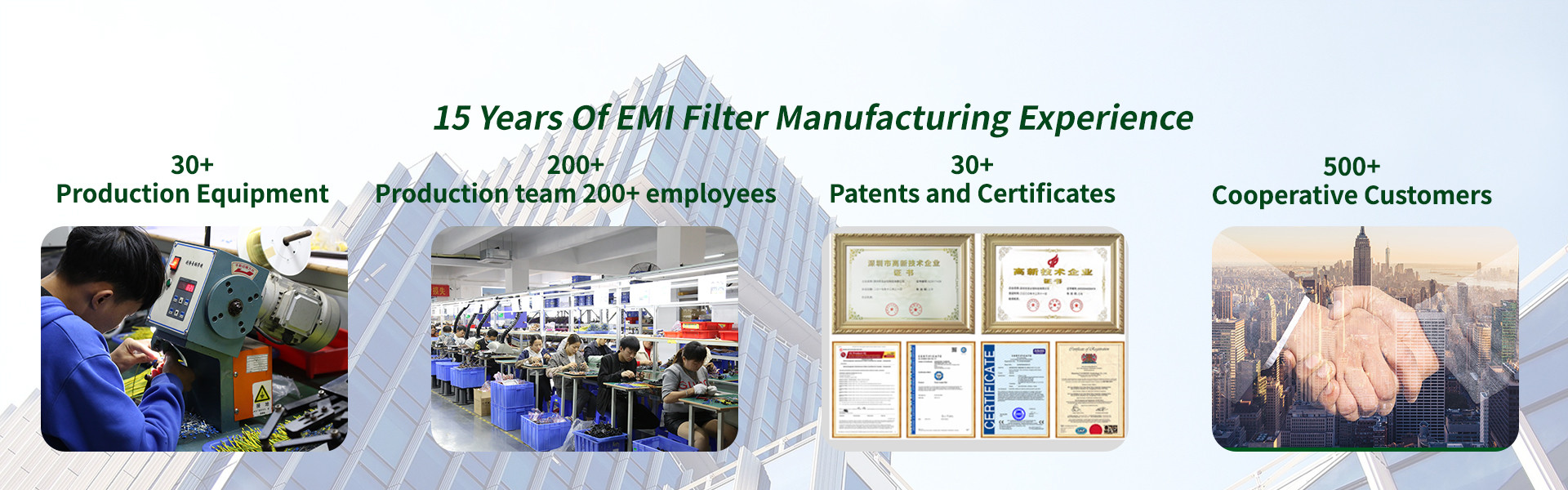
シェンzhen Yanbixin Technology Co., Ltd.は,研究開発,製造および電磁互換性 (EMC) と電力フィルターソリューションの販売を統合する国家高技術企業です.献身的な努力を 20年近くかけて,私たちの製品は UL,TÜV,CQC,CE,CB,ENEC,RoHS,REACHなどの認証を取得し,多数の特許を取得しています.詳細な仕様を提示するすべての製品は ISO 9001:2015 品質管理システムに厳格に準拠して製造されています.
専門的な専門知識に根ざし,革新にコミットし,顧客に専門的なコンサルティングとEMC技術修復サービスを提供しています.幅広いクライアントのために多くの技術的な課題を2016年以前,同社は株式コード667344でニュー・フォーース・ボードに上場していた.国内外300以上の上場企業の指定サプライヤーとなった.フォーチュン・グローバル500企業.
効果的なコミュニケーションと調整を通じて, 品質を第一に,誠実さを基礎として,テクノロジーを駆使して 顧客の多様なニーズを満たす努力をしていますお互いの成功を 期待しています
連絡 ください
シェンゼン本部
アドレス:広東省深?? 市バオアン地区,クアンジ科学技術革新公園,科学技術イノベーションビル,23A室
ドングアンの工場
地址:フイニアン工業公園,ユアンサン3丁目,シンタン管理区,ホウジエ,東?? 市,広東省
電話:0755-27147102
ファックス:0755-27147101
メール: laura@yanbixinkeji.com
公式サイト:www.yanbixinkeji.com
Yan Bi Xin Filters: Delivering Filtration Solutions for Industrial Applications
As industrial manufacturing, environmental protection, fluid processing, and related industries place increasing emphasis on filtration quality, operational stability, and equipment compatibility, businesses are paying closer attention to the performance, specifications, and suitability of filtration products.
Yan Bi Xin Filters focuses on filtration products and related application requirements, aiming to provide customers with filtration products and solutions suited to their operational needs. By emphasizing product selection, application compatibility, and technical information, Yan Bi Xin aims to help customers identify appropriate filtration solutions for equipment integration, production processes, and routine maintenance
Supporting Better Filtration Decisions Through Application-Specific Selection
Different industrial applications have different filtration requirements. Factors such as filtration rating, operating pressure, flow rate, fluid characteristics, operating temperature, and connection dimensions can all affect the suitability and performance of a filter.
For industrial buyers, selecting the right filtration product involves more than comparing products. It requires evaluating the equipment configuration, operating environment, and specific process requirements.
Yan Bi Xin Filters can provide relevant product information and selection support based on customers' actual application needs. By clarifying filtration requirements, reviewing key technical specifications, and confirming operating compatibility, customers can make more informed purchasing decisions and reduce risks associated with unsuitable product selection.
Improving Procurement Efficiency Through Clear Product Information
In industrial filtration procurement, clear and accurate technical documentation is essential for supplier evaluation and purchasing decisions.
Product information for Yan Bi Xin Filters should clearly identify relevant specifications, including product models, filtration ratings, compatible media, operating pressure, flow capacity, connection sizes, material options, and intended applications.
Providing this information in a structured and accessible format can help procurement professionals, equipment engineers, and technical teams understand product characteristics more efficiently.
A comprehensive product information system can also support product comparisons, technical communication, and purchasing decisions.
Developing Filtration Solutions for Diverse Industrial Requirements
As industrial applications become increasingly specialized, customers require filtration products that meet specific operating conditions and technical requirements.
Yan Bi Xin Filters aims to continuously improve its product information and application support in response to customer needs. For customers with specific requirements concerning filtration ratings, media compatibility, equipment connections, or operating conditions, product selection can be evaluated against the relevant technical specifications.
This approach helps customers identify suitable product models and determine whether a particular filtration solution meets their application requirements.
Learn More About Yan Bi Xin Filters
Businesses looking for filtration products for specific industrial applications can contact Yan Bi Xin Filters to learn more about product specifications, filtration ratings, compatible media, and equipment integration options.
Yanbixinフィルター:高出力EV充電およびユーティリティスケールエネルギー貯蔵システム向けのEMIフィルタリングソリューションの推進
The commercialization of high-power electric vehicle (EV) DC fast-charging infrastructure and utility-scale energy storage systems (ESS) demands robust electromagnetic interference (EMI) control across high-voltage DC power buses and grid-connected power conversion systems (PCS)充電器と二方向エネルギー貯蔵インバータが高速隔離ゲート双極トランジスタ (IGBT) とシリコンカーバイド (SiC) MOSFET を採用するにつれて,パワーエレクトロニクスシステムは,厳しい電気条件下で信頼性のある動作を行う必要があります.,500 VDCまでの直流バス電圧を含む.
高速半導体スイッチングは,電源配送ネットワークに沿って急激な電圧移行 (dv/dt),急速な電流変動 (di/dt),高周波の電磁騒音を生成します.効果的なフィルタリングなし制御回路を妨害し,アンログセンサーの精度を低下させ,ネットワークに接続された機器の電磁互換性 (EMC) に影響する.
ヤンビキシンフィルター騒音抑制,信号完整性,そして要求の高い電力電子環境での信頼性の高い操作をサポートするために設計された専門的なフィルタリングソリューションでこれらの課題に対処します.電気自動車の充電装置に EMI フィルタリングの考慮を統合することでYanbixin Filtersは,重要な電源と信号インターフェースの電磁気干渉を管理する機器メーカーを支援します.
高功率直流の高速充電のアプリケーションでは,効果的な直流電源線フィルタリングは高周波スイッチのノイズを軽減し,敏感なモニタリングと制御電子機器に影響を与える電磁気干渉のリスクを軽減するのに役立ちます.電力機関規模でのESSアプリケーションでは,フィルタリングソリューションは,二方向電源変換,バッテリーモニタリング,電流と電圧検出,通信インターフェース適切に設計されたフィルタリングは,商用および産業用電力機器の適用されるEMC要件を満たすにも貢献します.
電気自動車の充電インフラと 電力網規模のエネルギー貯蔵が拡大するにつれて 信頼性の高い電磁互換性ソリューションの需要は 電力密度の増加とともに増加しています切り替え周波数システム統合ヤンビキシンフィルターは,次世代電力変換システムにおける複雑なEMI課題に対処する技術者に役立つアプリケーション指向フィルタリングソリューションを提供することで,この進化をサポートすることを目指しています.
フィルタリング性能,アプリケーション要件,システムレベルの電磁互換性に焦点を当てることでヤンビキシン・フィルターは,EVの充電とエネルギー貯蔵機器の製造者に,より信頼性の高い安定し,商業的に展開可能な電源電子システムです.
2026年パワーフィルター業界の発展動向を観察:深セン燕必信科技の進化経路
電源線フィルターは,電源線における電磁気干渉を抑制するために設計された受動式フィルタ装置である.電子機器や電気機器が電磁互換性要件を満たすためのコアコンポーネントですこの記事では,2026年の最新の業界動向を参考にして,深?? 洋生技術株式会社 (株) が(以下"ヤンビクシン・テクノロジー"と呼ばれ)会社の進化の経路と共に
電力フィルター産業の2026年の全体的な発展傾向
現在,世界の電力フィルター市場は安定した成長のチャネルにあります.業界研究機関によると,世界の電力EMIフィルター市場は1ドルに達すると予測されています.2032年までに 3320億2026~2032年の間,年間成長率は約5.3%である.アジア太平洋地域は,世界最大の地域市場として,世界全体の約37%を占めています.平均年間売上高成長率は約5.12%で,売上収益の成長率は約5.5%と予測されています.2026年から2032年の間に 63%.
製品構造の観点から,3相電源フィルターは,約36%の市場シェアを持つ最大のサブカテゴリーです.消費電子機器は下流部門で最大の同時期に,医療機器,新エネルギー車両,産業自動化,データセンターは加速しています.
競争的な景観レベルでは,世界市場は適度な集中を示しており,トップ10のサプライヤーが市場収益の60%以上を占めています.TE Connectivity (シャフナー) のような国際ブランドTDKとスペクトラムコントロールが 支配的なままです中国国内企業グループ,ヤンビシン・テクノロジーが代表する 標準化された産業アプリケーションとカスタマイズされたEMCサービスで差別化された競争力を形成しています.
ヤンビクシン技術の開発段階と能力の蓄積
2008年に設立されたヤンビキシン・テクノロジーは,電磁互換性 (EMC) と電源フィルター (EMI FILTER) の研究開発,生産,販売に従事する統合企業として位置づけられています.企業発展の軌跡から製品認証の蓄積から生産拡大,そして技術能力の体系化へと 明確な進化経路を経てきました.
2009年,Yanbixinは単相YBシリーズと3相YXシリーズ製品の研究開発を完了し,2011年にCE認証,2014年にCQCおよびTUV認証を取得しました.cUL国際認証 2015年に単相製品2019年に100A未満の三相製品に対して,cUL,ENEC,CBの認証を取得する.この一連の認定の段階的な適用により,輸出向 customersと需要の高い産業の顧客にサービスを提供するための基本的な資格が提供されました2016年,新四四板 (株式コード667344) に上場し,2017年,国家ハイテク企業として認定され,2021年,省級専門企業として評価されました.精製したそして2024年には,国家レベルの技術ベースのSMEになりました.
生産能力に関しては,同社は2018年に公式に東?? 生産基地を設立し,自動化大規模生産を達成し,同時に東?? 実験室を設置しました.電気磁気互換性試験システムで装備顧客に干渉テストとEMC修正ソリューションを提供できる.
産業動向とヤンビクシン・テクノロジーのビジネスアライナメント
第一に,医療機器業界における EMCの需要は増加し続けています.医療電子機器は,漏れ電流制御,信頼性,認証準拠性に関して電源フィルターに厳格な要求事項があります.医療機器部門をカバーする呼吸器や麻酔装置などの設備の需要が増加している背景に,この分野における認証の障壁と顧客へのこだわりは 差別化された競争の要素です.
2つ目は 産業自動化と 新しいエネルギーシナリオへの拡大ですインバーター,サーボシステム,太陽光発電のインバーターなどの設備の高周波スイッチ操作は,相当な電磁騒音を生成します.フィルター挿入損失と定位電流範囲に対するより高い要求を課すヤンビクシン・テクノロジーの3相製品では 100A以下の電流をカバーし,電源,変頻エアコン,エレベーター機器,新しいエネルギー,産業シナリオのフィルタリングニーズに合わせて.
第三に,EMC修正サービスは 顧客維持を促します純粋な製品販売モデルとは異なり,ヤンビシン・テクノロジー社は,顧客にEMCテストと修正技術サポートを提供するために,自社の研究室に頼っています.このモデルは,中小規模機器メーカーにとって非常に魅力的です.顧客が得るものは,単なるフィルター製品ではありません.EMC認証を通過させるための解決策です
展望
業界景観から見ると,パワーフィルター市場における競争は,単一の価格次元から,アプリケーションの適応性を含む複数の次元へと移行しています.認証の範囲の幅標準化製品レベルでは,国内企業であるヤンビクシン・テクノロジーでは,コスト競争圧力に引き続き対応しなければならない.信頼性や認証の要求が高い分野,例えば医療認証システムとEMCサービス能力は20年以上にわたって蓄積され,比較的堅牢な基盤となっています.高い付加価値のアプリケーションシナリオをさらに浸透させる方法,EMC整正サービスの優位性を維持することは,次の開発段階のための重要な提案になります.
データセンター パワー品質とハーモニックフィルター フィルタータイプ,コンポーネント (ハーモニックフィルター,静的VAR補償機,UPSシステム,電力品質計&分析機,監視ソフトウェア),データセンタータイプ,電力評価 2032年の世界予報
世界のデータセンターの電力品質および高調波フィルタ市場は、2025年の20億5,000万米ドルから2032年までに41億6,000万米ドルに、予測期間中に10.6%のCAGRで成長すると予測されています。 AI インフラストラクチャの急速な拡大、ラック電力密度の上昇、ハイパースケール データセンターへの投資、無停電電源の信頼性への注目の高まりにより、市場は再形成されています。 GPU を集中的に使用するコンピューティング環境は電気システムに前例のないストレスを与えるため、通信事業者は稼働時間、効率、規制遵守を維持するために高調波緩和、電力調整、インテリジェント監視、次世代エネルギー管理プラットフォームに多額の投資を行っています。
アジア太平洋地域は、中国、インド、東南アジア、オーストラリアでの積極的なハイパースケール データセンター建設に加え、AI インフラストラクチャの導入と送電網の信頼性への懸念の増大により、最も急速に成長する地域市場として浮上すると予測されています。北米は現在、大規模なハイパースケール容量、GPU 駆動の AI ワークロード、および主要なクラウドおよびコロケーション事業者による高度な電力品質インフラストラクチャの強力な採用によって支えられ、最大のインストール ベースを保持しています。
重要なポイントトップ 10
北米は、ハイパースケールの集中と高度な AI インフラストラクチャの導入により、引き続き地域市場をリードしています。アジア太平洋地域は、デジタルインフラ投資の加速により、最も急成長している地域として浮上しています。アクティブ高調波フィルターは、高密度 AI ワークロードに推奨されるソリューションになりつつあります。ハイパースケール データセンターは、高度な電力品質システムに対する需要を引き続き支配しています。AI 対応の電力インフラストラクチャは、コロケーション事業者全体で調達の優先順位を再構築しています。リアルタイムの電力監視および分析プラットフォームは、最新の施設全体で標準になりつつあります。持続可能性とエネルギー効率の要求により、インテリジェントな電力管理システムの導入が加速しています。エッジ データ センターは、コンパクトなモジュール式高調波緩和ソリューションの新たな機会を生み出しています。従来の施設における統合の複雑さは、依然として運用上の主要な課題の 1 つです。統合された電力、冷却、およびソフトウェアのエコシステムに焦点を当てている企業は、競争上の優位性を獲得しています。拡張市場導入
現代のデータセンターは、もはや単なるサーバーを収容するための施設ではありません。これは、AI トレーニング、クラウド コンピューティング、ストリーミング プラットフォーム、産業オートメーション、フィンテック エコシステム、企業のデジタル トランスフォーメーションをサポートする国家デジタル インフラストラクチャの重要な層となっています。データセンター内の電力消費量が増加し続ける中、電気的信頼性は事業者、投資家、政府にとって同様に取締役会レベルの優先事項となっています。
AI アクセラレータと GPU クラスターの採用の増加により、データセンター内の電気負荷の動作が根本的に変化しています。 AI サーバーは、高調波、電圧歪み、過渡不安定性、熱ストレスを電力システムに導入する、非常に動的で非線形な電力需要パターンを作成します。これにより、事業者は従来の UPS アーキテクチャ、配電システム、高調波緩和戦略の再考を余儀なくされています。アクティブ高調波フィルター、インテリジェント PDU、リアルタイム電力監視システム、デジタル ツイン対応インフラストラクチャ管理などのソリューションは、オプションのアップグレードから運用上の必需品へと移行しつつあります。
市場はまた、持続可能性、エネルギー効率、送電網の近代化に関連する広範なトレンドからも恩恵を受けています。データセンター運営者は、継続的な稼働時間を維持しながらエネルギーの無駄を削減するというプレッシャーにさらされています。政府や電力会社はより厳格な電力品質基準を導入しており、ハイパースケール事業者は再生可能エネルギー源を自社のインフラストラクチャにますます統合しています。これらの開発により、変動する負荷を安定化し、エネルギー利用効率を向上させることができる高度な電力調整システムのニーズが拡大しています。
市場動向
市場を形成する決定的なトレンドの 1 つは、AI 対応のデータセンター インフラストラクチャの台頭です。従来のエンタープライズ ワークロードは比較的安定した電力需要プロファイルを作成していましたが、AI 環境は異なる動作をします。 GPU クラスターは急速な電力変動を生成し、変圧器、開閉装置、UPS システム、配電ネットワークにストレスを与える可能性があります。ベンダーは、高密度 AI 施設向けに特別に設計された高調波緩和システムを開発することが増えています。
もう 1 つの大きなトレンドは、電力品質システムとインテリジェントな監視ソフトウェアの統合です。データセンター運営者は、スタンドアロンのハードウェア導入を超えて、継続的な監視、予測診断、自動修正措置が可能な統合プラットフォームに移行しています。 AI を活用した分析は、施設が高調波歪みパターンを特定し、異常を検出し、運用の信頼性を向上させるのに役立ちます。
モジュール式およびプレハブ式のインフラストラクチャの展開も勢いを増しています。ハイパースケール事業者は、導入スケジュールを短縮し、拡張性を向上させるため、モジュラー電気システムをますます好んでいます。ベンダーは、統合型パワースキッド、モジュラー UPS アーキテクチャ、グリーンフィールドおよびブラウンフィールド環境に迅速に導入できるコンパクトな高調波フィルタリング ソリューションで対応しています。
持続可能性は、調達行動に影響を与えるもう 1 つの戦略的トレンドとなっています。データセンターが PUE 目標の引き下げと再生可能エネルギーの統合を追求するにつれ、エネルギー効率の向上と分散型エネルギー システムの安定化のために電力品質管理が不可欠になっています。通信事業者は、より広範な ESG および脱炭素化戦略の一環として、高調波フィルタリング技術をますます評価しています。
市場では、電力インフラと液冷システムの統合も進んでいます。 AI を活用した施設には高度な冷却技術が必要であり、これにより新たな電気負荷ダイナミクスが導入されます。ベンダーは、高調波、過渡負荷、および熱管理の課題に同時に対処するために、調整された冷却と電源のアーキテクチャを開発しています。
市場の推進力
ハイパースケールおよび AI データセンターの爆発的な成長は、市場の拡大を支える最も強力な推進力の 1 つです。大手クラウド プロバイダーやコロケーション オペレーターは、AI 推論とトレーニング ワークロードに最適化された施設に積極的に投資しています。これらの環境では、わずかな電気的障害でもコンピューティングのパフォーマンスに影響を与え、ハードウェアの寿命を縮めたり、ダウンタイムを引き起こしたりする可能性があるため、非常に信頼性が高くクリーンな電力が求められます。
もう 1 つの重要な要因は、最新の IT 機器の感度の向上です。高度なプロセッサ、AI アクセラレータ、ストレージ システム、ネットワーク ハードウェアが効率的に機能するには、安定した電圧と低い高調波歪みが必要です。施設がより高密度のサーバーラックを導入するにつれて、高度な高調波フィルタリングおよびパワーコンディショニング技術の必要性が高まり続けています。
規制の圧力も導入パターンに影響を与えています。 IEEE 519 や IEC 61000 などの規格は、高調波管理と電力品質コンプライアンスの向上を目的とした施設を奨励しています。大規模なデータセンターが電力ネットワークに与えるストレスが増大する中、電力会社や送電網運営者は高調波汚染と送電網の安定性をより重視するようになっている。
業界全体のデジタル変革により、信頼性の高いデータセンター インフラストラクチャに対する需要が間接的に加速しています。銀行、医療、製造、電気通信、電子商取引などの部門は、中断のないデジタル サービスへの依存度が高まっています。この依存関係により、通信事業者は電気回復力を強化し、高度な電力品質システムに投資する必要が生じています。
エッジ コンピューティングの拡大により、さらなる需要機会が生まれています。エッジ施設は、不安定なグリッド状態やスペース制約のある環境で運用されることが多く、局所的なデジタル インフラストラクチャをサポートできるコンパクトでインテリジェントな高調波緩和システムの必要性が高まっています。
市場の課題/制約
力強い成長見通しにもかかわらず、市場は運営上および経済上のいくつかの課題に直面しています。最も大きな障壁の 1 つは、高度な高調波フィルタリング システムと統合された電力品質インフラストラクチャに関連する高額な初期費用です。大規模な導入では、特に古い施設では、電気アーキテクチャの大規模な再設計が必要になることがよくあります。
統合の複雑さも大きな懸念事項です。従来のデータセンターの多くは、最新の AI ワークロードや高度な高調波緩和システムをサポートするように設計されていませんでした。既存の環境を改修することは、特にアップグレード中に施設を稼働し続ける必要がある場合に、技術的に困難になる可能性があります。
熟練した電気およびインフラストラクチャの専門家の不足により、いくつかの地域で導入のボトルネックが生じています。高度な電力品質システムには、設置、試運転、継続的なメンテナンスに関して専門的なエンジニアリングの専門知識が必要です。需要が加速すると、労働力の確保が制限要因になる可能性があります。
サイバーセキュリティがさらなる課題として浮上しています。最新の電力監視システムは、接続されたデジタル プラットフォーム、クラウドベースの分析、およびリモート管理機能にますます依存しています。通信事業者は、これらのシステムがサイバー脅威や運用上の脆弱性から確実に保護されるようにする必要があります。
サプライチェーンの不安定性も引き続き懸念されます。変圧器、半導体、開閉装置、パワーエレクトロニクスなどの電気部品は、一部の市場で引き続き調達の課題に直面しています。こうした混乱により、プロジェクトのスケジュールが遅れ、インフラストラクチャのコストが増加する可能性があります。
産業/アプリケーションの成長
ハイパースケール クラウド プロバイダーは、市場にとって最も重要な成長エンジンの 1 つです。これらの通信事業者は、大規模な AI およびクラウドのワークロードをサポートできる、スケーラブルで復元力のある電気インフラストラクチャを必要としています。高調波フィルタリング技術は、高密度コンピューティング環境全体で安定性を維持する上でますます重要になっています。
コロケーション プロバイダーも、高度な電力品質システムに積極的に投資しています。企業顧客は、キャリアニュートラルな施設がほぼ連続的な稼働時間と一貫したパフォーマンスを提供することを期待しています。この期待により、高度な監視システム、インテリジェント PDU、高効率の高調波緩和テクノロジーに対する需要が高まっています。
金融サービス組織は、中断のないデジタル業務に依存しているため、依然として主要なアプリケーション セグメントです。取引システム、決済プラットフォーム、銀行インフラには、電気障害を最小限に抑えた安定した電力環境が必要です。
デジタル診断、AI 主導のイメージング、クラウドベースの医療システムが世界的に拡大するにつれ、ヘルスケアおよび製薬分野が戦略的成長分野として浮上しています。これらの環境では、ミッションクリティカルなアプリケーションをサポートするために信頼性の高い電源システムが必要です。
電気通信事業者も重要な顧客グループです。 5G ネットワーク、エッジ コンピューティング、分散型デジタル インフラストラクチャの成長により、遠隔地やスペースに制約のある環境でも動作できる、コンパクトでモジュール式の電力品質ソリューションに対する需要が高まっています。
セグメントの洞察
データセンターの電力品質および高調波フィルター市場、フィルタータイプ別
アクティブ高調波フィルタは、非常に変動する負荷条件全体で動的かつリアルタイムの高調波補償を提供するため、現在市場をリードしています。変化する電気環境に適応する能力があるため、ハイパースケールおよび AI 主導のデータセンターに特に適しています。
ハイブリッド高調波フィルタは、通信事業者がパフォーマンス、柔軟性、コストの最適化の間のバランスを求める中、最も急速な成長を遂げています。これらのシステムは、アクティブおよびパッシブ フィルタリング テクノロジーの利点を組み合わせながら、最新の施設の拡張性を向上させます。
データセンターの電力品質および高調波フィルター市場、コンポーネント別
高調波フィルタとインテリジェント監視システムは、電力歪みとインフラストラクチャの信頼性の問題に直接対処するため、導入の主要なシェアを占めています。通信事業者は、フィルタリング、モニタリング、予測分析を組み合わせた統合エコシステムをますます優先しています。
監視ソフトウェアと AI 対応分析プラットフォームは、最も急速に成長しているコンポーネント カテゴリとして浮上しています。施設は、可視性と運用インテリジェンスを向上させるソフトウェア デファインド インフラストラクチャ管理モデルに移行しています。
データセンターの電力品質および高調波フィルター市場、データセンターのタイプ別
ハイパースケール データセンターは、大規模な電気インフラストラクチャ要件と積極的な AI 拡張戦略により、最大の導入カテゴリを代表します。大手クラウド事業者は、回復力とスケーラブルな電力システムに多額の投資を続けています。
エッジ データセンターは、低遅延アプリケーション、分散コンピューティング アーキテクチャ、およびローカライズされたデジタル サービスの拡大により、最も急成長しているセグメントとして浮上しています。これらの施設では、コンパクトな高調波フィルタリング ソリューションの重要性がますます高まっています。
データセンターの電力品質および高調波フィルタ市場、電力定格別
ハイパースケールおよび AI 施設には、大規模で変動するワークロードをサポートできる高度な電気インフラストラクチャが必要であるため、大容量電力定格カテゴリが市場を支配しています。
コロケーションやエッジ事業者が柔軟な導入アーキテクチャとスケーラブルなインフラストラクチャ モデルを優先するにつれて、中容量のモジュラー システムが急速に注目を集めています。
データセンターの電力品質および高調波フィルター市場、アプリケーション別
UPS システムは最新のデータセンター全体で中断のない運用を維持する上で中心となるため、UPS の高調波緩和は引き続き主要なアプリケーション分野です。
リアルタイム電力監視は、通信事業者による予知保全、AI 対応分析、インテリジェントなインフラストラクチャ管理ソリューションの導入が進むにつれて、最も急速に成長しているアプリケーションとして浮上しています。
主要なセグメンテーションの結論
アクティブ高調波フィルターは、引き続き AI 対応インフラストラクチャに推奨されるテクノロジーです。ハイパースケール施設は引き続き市場全体の需要を支配しています。エッジ導入により、モジュラー システムの需要が加速しています。監視ソフトウェアはインフラストラクチャ戦略の中心になりつつあります。ハードウェアと分析を組み合わせた統合エコシステムが勢いを増しています。地域分析
北米
米国は依然としてハイパースケールおよび AI インフラストラクチャ投資の世界的な中心であり、主要なクラウド プロバイダー、半導体エコシステム、デジタル プラットフォーム オペレーターによってサポートされています。カナダは再生可能エネルギーの利用可能性と良好な冷却条件により注目を集めており、メキシコではデジタル変革とニアショアリングの傾向に関連したコロケーション投資が増加しています。北米市場は、2025 年に 7 億 2,000 万米ドルと評価され、AI データセンターの積極的な拡張と回復力のある電力インフラへの投資の増加により、CAGR 10.3% で 2032 年までに 14 億 3,000 万米ドルに達すると予測されています。
ヨーロッパ
欧州は引き続き持続可能性、エネルギー効率、規制遵守に重点を置いています。ドイツ、イギリス、フランス、北欧は、強力なデジタル インフラストラクチャと再生可能エネルギーの統合により、依然として主要なデータセンター ハブとなっています。ヨーロッパ全土の通信事業者は、広範な脱炭素化と送電網の安定化への取り組みの一環として、高調波の緩和とインテリジェントな電力監視をますます優先するようになっています。欧州市場は2025年に4億8000万米ドルと推定され、厳しいエネルギー効率規制とコロケーションインフラストラクチャへの継続的な投資に支えられ、8.8%のCAGRで2032年までに8億7000万米ドルに達すると予想されています。
アジア太平洋地域
アジア太平洋地域では、ハイパースケールおよびコロケーション データセンターへの投資が前例のないほど増加しています。中国、インド、シンガポール、日本、韓国、オーストラリアは、クラウドの導入、AI の導入、インターネット エコシステムの拡大によって、重要なデジタル インフラストラクチャのハブとして台頭しつつあります。企業がクラウドネイティブ アーキテクチャへの移行を加速する一方で、地域全体の政府がデジタル エコノミーへの取り組みを支援しています。アジア太平洋市場は、2025年の6億4,000万米ドルから2032年までに14億6,000万米ドルまでCAGR 12.5%で成長すると予測されており、予測期間中に最も急速に成長する地域市場となる。
世界のその他の地域
その他の地域は、中東、ラテンアメリカ、アフリカの一部でデジタル インフラストラクチャへの投資が増加しており、その恩恵を受けています。 UAEやサウジアラビアなどの国々は、より広範な経済多角化戦略の一環としてAIやクラウドのインフラストラクチャを積極的に開発しており、ブラジルや南アフリカは地域のコロケーションエコシステムを強化している。その他の世界市場は、新たなハイパースケール展開と地域接続の改善に支えられ、2025 年の 2 億 1 千万米ドルから 9.4% の CAGR で 2032 年までに 4 億米ドルに拡大すると予想されています。
地域別の見通しの概要
北米はハイパースケール AI インフラストラクチャへの投資を通じてリーダーシップを維持しています。欧州は持続可能性と規制順守を重視しています。アジア太平洋地域はデジタル経済の加速により今後の拡大をリードします。中東諸国は戦略的な AI インフラストラクチャの拠点になりつつあります。エッジ コンピューティングは、地域の需要の多様性を拡大しています。国固有の洞察
米国は、強力なクラウド エコシステム、半導体イノベーション、AI 投資の勢いにより、世界のハイパースケール インフラストラクチャの導入を引き続き主導しています。大手通信事業者は、GPU を集中的に使用するワークロードとより高いラック密度に対応するために、電源アーキテクチャの再設計をますます進めています。
中国は、大規模なデジタルインフラの拡張と政府支援による AI への取り組みにより、依然として戦略的に最も重要な市場の 1 つです。国内のクラウドプロバイダーはハイパースケール施設を急速に拡張しており、高度な電力品質システムへの需要が高まっています。
インドは、クラウド導入の加速、データのローカリゼーション政策、企業のデジタル化の増加により、高成長の機会として浮上しています。コロケーションへの投資は、ムンバイ、チェンナイ、ハイデラバード、その他の主要なテクノロジーハブ全体で増加しています。
シンガポールは、エネルギー効率の制約や持続可能性に関する規制にもかかわらず、重要な地域コロケーションハブとしての役割を果たし続けています。通信事業者は、インフラストラクチャのパフォーマンスを最大化するために、高効率でコンパクトな電力品質ソリューションを優先しています。
ドイツと北欧は、再生可能エネルギーの統合、高度な産業インフラ、持続可能なデータセンター運営に重点を置いているため、依然として重要な欧州市場です。
国レベルの結論
米国は依然として AI インフラストラクチャの世界的なイノベーションの中心地です。中国はハイパースケール開発を加速し続けている。インドは戦略的なコロケーションの目的地になりつつあります。シンガポールは効率を重視したインフラ展開を優先しています。欧州市場では、持続可能でコンプライアンスに準拠した運営が重視されています。主要な企業洞察
競争環境は、多様な電力インフラプロバイダー、データセンター専門家、デジタルエネルギー管理会社によって支配されています。大手企業は、買収、AI 対応ソフトウェアの統合、モジュラー インフラストラクチャ開発、ハイパースケール クラウド オペレーターとのパートナーシップを通じて、その能力をますます拡大しています。
市場で活動している主な企業は次のとおりです。
シュナイダーエレクトリックバーティブイートンABBシーメンスルグランソコメック日立エナジーデルタエレクトロニクスファーウェイ三菱電機ジャニツァ多くのベンダーは、電力インフラストラクチャ、熱管理、ソフトウェア分析、AI 主導の最適化を組み合わせた統合プラットフォーム戦略に移行しています。企業が液体冷却、モジュール式インフラストラクチャー、インテリジェントなエネルギー管理の能力を強化しようとする中、戦略的買収がますます一般的になってきています。
パートナーシップ活動もエコシステム全体で加速しています。ベンダーは、GPU メーカー、クラウド プロバイダー、インフラストラクチャ オペレーターと協力して、AI 対応の電源および冷却アーキテクチャを開発しています。これらのパートナーシップは、次世代のデータセンター インフラストラクチャの形成において中心的な役割を果たすことが期待されています。
主要な企業戦略の結論
統合されたインフラストラクチャ エコシステムが大きな差別化要因になりつつあります。AI 対応の監視プラットフォームは製品戦略の中心です。モジュール式の導入機能の重要性が高まっています。ハイパースケール事業者とのパートナーシップが増加しています。持続可能性を重視したイノベーションは製品開発に影響を与えています。最近の展開
2025 年 5 月、シュナイダー エレクトリックは、AI 駆動の施設における高調波歪みと電圧変動による運用への影響の増大を強調した、データセンター専用の電力品質 eGuide を発行しました。2025 年 11 月、イートンは液体冷却およびデータセンターの電力管理ポートフォリオを強化するためにボイド サーマルを買収することに同意しました。2025 年 11 月、シュナイダー エレクトリックは Switch とのパートナーシップを拡大し、プレハブ AI データセンターの電力インフラストラクチャの導入をサポートしました。2024 年 3 月、Vertiv は AI 対応インフラストラクチャのコラボレーションを強化するために NVIDIA パートナー ネットワークに参加しました。2024 年 12 月、Vertiv はハイパフォーマンス コンピューティングと AI インフラストラクチャ環境をサポートするためのターボ冷凍機技術機能を取得しました。現実世界の使用例 / ケーススタディ
2024 年、Vertiv は NVIDIA との協力関係を拡大し、高密度 AI コンピューティング環境向けの統合冷却および電力インフラストラクチャ ソリューションを開発しました。この取り組みは、ますます要求が厳しくなる GPU ワークロードを処理できる水冷 AI システムのサポートに焦点を当てました。このパートナーシップは、次世代 AI 施設の電力安定性、熱管理、インフラストラクチャの拡張性を向上させることを目的として設計されました。
2025 年に、シュナイダー エレクトリックは Switch との協力を拡大し、AI 駆動のデータセンター向けにプレハブの電力インフラストラクチャ モジュールを導入しました。この導入では、運用効率と電力品質管理機能を向上させながら、高密度コンピューティング環境のより迅速な拡張を可能にすることに焦点を当てました。
市場セグメンテーション
データセンターの電力品質および高調波フィルタ市場は、フィルタ技術、インフラストラクチャ アーキテクチャ、監視プラットフォーム、電力定格、導入環境によって形成される高度に多様化したエコシステムへと進化しています。ハイパースケール事業者は、アクティブ高調波フィルタリング、インテリジェント監視、モジュラー開閉装置、AI 主導の分析を統合インフラストラクチャ プラットフォームに組み合わせた統合エコシステムの採用を増やしています。
市場もよりアプリケーションに特化したものになってきています。 AI トレーニング施設には、動的な電気負荷をサポートできる応答性の高い高調波緩和システムが必要ですが、コロケーション施設では運用効率と稼働時間の最適化が優先されます。エッジ導入では、コンパクト性、モジュール性、統合の簡素化がますます重視されています。
地域的な差異はセグメンテーションのダイナミクスにさらに影響します。成熟市場では近代化と効率の最適化が優先されることが多く、新興市場ではスケーラブルなインフラストラクチャの導入とデジタル経済の拡大が重視されます。ベンダーは、さまざまな顧客の要件に合わせてカスタマイズ可能でソフトウェア中心の製品を提供することで対応しています。
セグメンテーションの概要
AI ワークロードにより、すべてのセグメントにわたるインフラストラクチャ要件が再構築されています。ソフトウェア統合は、競争力のある差別化の中心となりつつあります。ハイパースケールとエッジの展開には、異なるインフラストラクチャ アプローチが必要です。モジュラー アーキテクチャは、地域を超えて急速に拡大しています。持続可能性の目標は調達の優先順位に影響を与えています。結論と今後の展望
データセンターの電力品質および高調波フィルタ市場は、AI インフラストラクチャの拡張、デジタル変革、および回復力のある電力システムに対する需要の高まりによって、変革的な成長段階に入りつつあります。データセンターがますます電力集約的な環境に進化するにつれて、高調波緩和およびインテリジェントな電力管理テクノロジは、オプションの機能強化ではなく、基礎的なインフラストラクチャ層になるでしょう。
AI、自動化、予測分析、デジタル ツイン テクノロジーは、今後数年間でインフラストラクチャ管理戦略を再定義すると予想されます。電力品質管理、冷却の最適化、リアルタイムの運用インテリジェンスを組み合わせた統合エコシステムを提供できるベンダーは、大きな競争上の優位性を獲得できる可能性があります。市場の長期的な軌道は、依然として世界的な AI の導入、超大規模な投資の勢い、信頼性の高いデジタル インフラストラクチャの重要性の増大と密接に結びついています。
EMI/RFIフィルターは何であるか。
EMI filter also called RFI filter is an electrical device/circuit. Can reduce the high-frequency electromagnetic noise on a power line and signal line. This noise is typically in the 9KHz to 10GHz frequency range. And it can degrade or prevent the signal transmissions and/or the intended performance of electrical/electronic equipment. The lower frequency components of the EM noise can impact the power quality as well.
The high-frequency noise is generated by a variety of electrical and electronic devices such as electronic controls, motors, power supplies, clock circuits, inverters, appliances, microprocessors, electronic devices, etc.
3 Phase EMI Filter
Single Phase RFI Filter
EMI Power Filter
EMI/RFI Filter Applications:
Our selection of EMI/RFI power line filters includes single-phase filters and three-phase filters in an assortment of styles and configurations to meet your specific requirements.
Our EMI/RFI filters are assembled, designed, and tested to ensure the best quality and performance for any power line application, including:
Linear power supplies
Medical directive
Modems
Systems with switching power supplies
Surge protection
Hard-disk systems
SMPS with on-board filter
Microprocessors
Computers
Machinery directive
Digital test equipment
Data terminals
Transient suppression
Process control equipment
YBX unmatched design capabilities, innovative solutions, and dedication to customer satisfaction guarantee the highest quality EMI filters for your needs. Our RFI/EMI filters are the best choice for superior power line filter safety, design, and performance.
What is EMI/RFI?
EMI (Electromagnetic Interference) is also called RFI (Radio Frequency Interference). EMI and RFI are the radiation or conduction of radiofrequency energy (or unwanted electronic noise) produced by electrical and electronic devices at levels. That interferes with the operation of adjacent equipment. Frequency ranges of most concern are 10kHz to 30MHz (conducted) and 30MHz to 1GHz (radiated).
Although the terms EMI and RFI are often used interchangeably. EMI is actually any frequency of electrical noise, whereas RFI is a specific subset of electrical noise on the EMI spectrum.
What Causes EMI/RFI?
The most common sources include components such as switching power supplies, relays, motors and tracks. These devices are found in a wide variety of equipment used in industrial, medical, white goods, and building HVAC equipment.
What are the Types of EMI | RFI?
Conducted RFI is released from components and equipment through the power line cord into the AC power line network. This conducted RFI can affect the performance of other devices on the same network.
An Electrical or Electronic Device Emits RFI in Two Ways: Radiated RFI is emitted directly into the environment from the equipment itself.
What are the effects of EMI/RFI on your electrical system?
If you are occasionally experiencing interference with your telephone system, flickering computer monitors, reliability issues with computer networks, instrumentation errors, or misbehaving electronics you are most likely experiencing EMI/RFI in your electrical environment. EMI/RFI can wreak havoc with your electronics, computers, and telephones, making your workplace difficult to work in. Since most machines have control electronic circuits, they may become difficult to control or unreliable.
How do you reduce the effects of EMI/RFI?
Depending on your application, there are many ways to reduce the effects of EMI/RFI. For conducted EMI/RFI, you can choose from a large range of EMI/RFI filters.
What are the Circuit Configurations of EMI | RFI Filters?
Typical types of EMI | RFI filters are designed for a specific type of signal and the devices in which they will be installed. The wide variation in devices and equipment that benefit from EMI filtering necessitates a range of standard solutions, as well as an expanse of customization capabilities. The following are a few types of EMI | RFI Filters.
Three-Phase Filters
Three-phase filters are similar to single-phase filters except that the filter is designed to filter three signal/power lines for three-phase power and motor systems. There are some three-phase filters that also include filtering on the neutral line for applications that require it. Three-phase filters are useful as main input filters for industrial equipment, machine tools, machinery and automation systems. Depending on the leakage performance of a filter, they may even be used with some medical devices and equipment.
Single-Phase Filters
A single-phase EMI | RFI power line filter is designed for AC or DC power lines with a positive or negative, or dual, signal/power path. This type of filter is installed in line with the power/signal lines, allowing DC and AC signals to pass without attenuation, while heavily attenuating signals from 10kHz to 30MHz. These types of filters are used in single-phase motor drives, power supplies, office equipment, and test and measurement equipment, amongst other applications. Some single-phase filters are optimized for specific applications, such as their DC performance, medical equipment requirements, industrial safety requirements, and other standards.
DC Filters
DC filters are designed specifically for filtering DC power and control lines. This could be for protecting solar panels, photovoltaic charging/converting systems, battery charging and conditioning systems, DC motor drives and inverter/converters. Though similar to AC EMI | RFI filters, DC EMI | RFI filters are optimized for passing only DC signals and are typically rated for higher DC voltages and currents. These filters are useful in preventing premature aging and protection of solar panels due to conducted emissions, such as HF stray and leakage currents.
Consisting of a multiple-port network of passive components arranged as a dual low-pass filter, the EMI/RFI filter attenuates radiofrequency energy to acceptable levels, while permitting the power frequency current to pass through with little or no attenuation. Their function, essentially, is to trap noise and to prevent it from entering or leaving your equipment. Selection of the most suitable EMI/RFI power line filter can best be based on the type of power supply or the input impedance of the equipment and the mode of the offending EMI/RFI noise.
騒音抑制におけるEMIフィルターの役割
EMIフィルター
テクノロジーが私たちの日常生活において 重要な役割を果たしている今日の世界では 電気磁気互換性 (EMC) は 個人や企業にとって 重要な問題になっています電気磁気干渉電子機器の正常な機能を妨げる一般的な問題である.しかし,EMIフィルターの登場により,この問題は効果的に対処することができます.EMIフィルター電子システムの電磁互換性を確保し,ノイズを削減し,性能と信頼性を向上させる上で重要な役割を果たします.この 記事 は EMI フィルタ の 役割 に つい て 詳しく 説明 し ます特に騒音抑制と電磁気干渉に対処する.
騒音抑制
EMIフィルターの主要な機能の1つは騒音抑制この文脈では,ノイズとは,電子機器の性能に影響を与える可能性がある電気信号の任意の望ましくない変動を指します.電力線を含む騒音は,伝導または放射性放出として現れ,どちらも敏感な電子機器の正常な機能に有害である可能性があります.
EMIフィルターは,電源と電子機器の間に障壁を提供することで,騒音問題を軽減するのに役立ちます.これらのフィルターはバッファーとして機能します.望まない高周波ノイズを遮断したり吸収したりしながら,望ましい電源信号が通過できるようにする.電子機器が電磁気干渉による障害や不具合なく動作できるようにします
電気磁気干渉
電気磁気干渉(EMI) は,ある電子機器が放出する電磁放射線が他のデバイスの動作を妨害するときに発生します.この妨害は,電子システムの機能を妨害します.機能不全や完全な故障に至るEMI は,オフィスビルや工業施設などの複数の電子機器が近くで動作している地域では特に問題になります.
EMIフィルター電子システムのエントリーポイントにフィルターを組み込むことで,電源接続やデータポートなど,EMI は 効果的に 抑制 できるフィルターは電磁騒音を隔離し,システム全体に拡散するのを防ぎ,電子機器の完全性と信頼性を保証します.
結論
EMIフィルタは,電磁互換性を確保し,電磁干渉の破壊的な影響を最小限に抑える上で重要な役割を果たします.三相アプリケーションこれらのフィルターは,強力なノイズ抑制を提供し,電子機器を外部からの干渉から保護し,電気システムの全体的なパフォーマンスと信頼性を向上させます.EMIフィルタを組み込むことで電子機器の操作が円滑で 妨害がなく できるようにします
私達と連絡してください: +86 18665826908
メール: sales22@yanbixinkeji.com
詳しくは:中国 シェンゼン・ヤンビクシン・テクノロジー・コー 株式会社 連絡先情報 (emipowerfilter.com)